
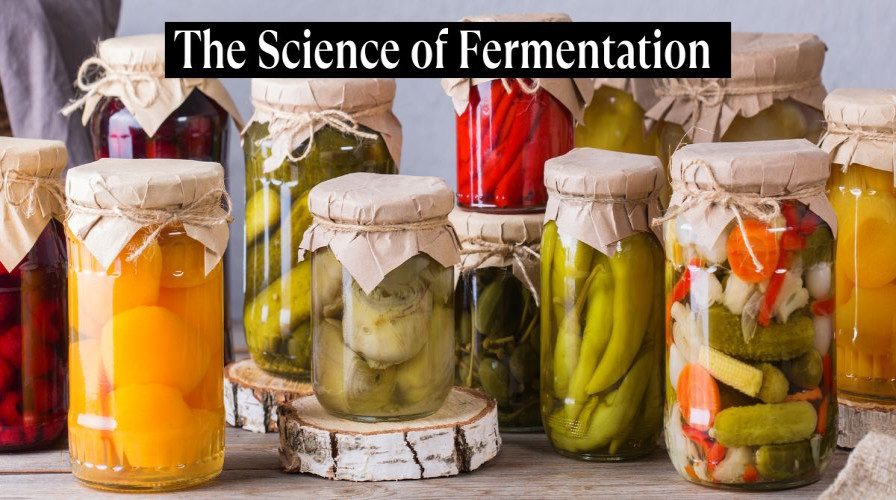
Unveiling the Magic: The Science of Fermentation and Delicious Recipes to Experiment with at Home
Fermentation is not just a culinary technique; it’s a fascinating scientific process that transforms ordinary ingredients into flavorful delights. This article delves into the science behind fermentation, its health benefits, and provides easy recipes for you to try in your own kitchen.
The Science Behind Fermentation
Fermentation is a natural metabolic process where microorganisms, such as bacteria, yeast, or fungi, break down carbohydrates into simpler compounds like alcohol or organic acids. This process not only preserves food but also enhances its flavor and nutritional value. Here’s how it works:
Microbial Action: Beneficial microorganisms consume sugars and starches present in food, producing byproducts like lactic acid or ethanol.
Preservation: The acidic environment created by fermentation prevents the growth of harmful bacteria, preserving food naturally.
Flavor Development: Fermentation adds complex, tangy flavors to foods, making them more palatable and enjoyable.
Health Benefits of Fermented Foods
Consuming fermented foods offers a range of health benefits due to their probiotic content and enhanced nutrient bioavailability:
Probiotics: Fermented foods like yogurt, kefir, and kimchi contain live probiotic cultures that support gut health and digestion.
Nutrient Absorption: Fermentation breaks down nutrients into more digestible forms, increasing their absorption in the body.
Immune Support: Probiotics in fermented foods may boost immune function and reduce inflammation in the gut.
Popular Fermented Recipes to Try at Home
1. Sauerkraut:
Ingredients: Cabbage, salt.
Method: Shred cabbage, mix with salt, and pack tightly into a jar. Ferment at room temperature for 1-2 weeks, then refrigerate.
Benefits: Rich in probiotics and vitamin C, sauerkraut is great for digestive health.
2. Kombucha:
Ingredients: Tea, sugar, kombucha culture (SCOBY).
Method: Brew sweetened tea, cool, and add SCOBY. Ferment in a glass jar for 7-14 days, then bottle and refrigerate.
Benefits: Contains probiotics, antioxidants, and may aid in detoxification.
3. Yogurt:
Ingredients: Milk, yogurt culture.
Method: Heat milk, cool, add yogurt culture, and ferment at a warm temperature for 4-12 hours.
Benefits: High in probiotics, calcium, and protein, yogurt supports gut and bone health.
4. Kimchi:
Ingredients: Napa cabbage, radish, chili paste, garlic, ginger.
Method: Mix vegetables with seasonings, pack into jars, and ferment at room temperature for 1-2 weeks.
Benefits: Loaded with probiotics, vitamins A and C, kimchi aids digestion and boosts immunity.
Exploring Fermentation’s Potential
Fermentation is a versatile technique that extends beyond traditional recipes. Experiment with fermenting fruits, vegetables, condiments, and beverages to discover new flavors and health benefits. Whether you’re a novice or an experienced fermenter, the possibilities are endless for creating nutritious and delicious foods at home.
Conclusion
Fermentation is both an art and a science that enriches culinary traditions while offering numerous health advantages. By incorporating fermented foods into your diet, you can support gut health, enhance nutrient absorption, and indulge in a world of complex flavors. Start your fermentation journey today and experience first hand the transformative power of this ancient technique in modern kitchens.
Related Tag :